Anthology · International Perspectives

Public Order Policing

A Professional's Guide to International Theories,
Case Studies, and Best Practices

Explore Chapter Abstracts
Scroll

Fostering International Knowledge Exchange

Our main objectives are to foster international networking among public order experts and researchers, and to provide a platform to exchange non-confidential information about public order policing — in particular research, lessons-learned, new developments, strategies and tactics.

Successful public order policing is critical to upholding democracy and maintaining the rule of law. Negative police-public interactions during assemblies can impact the safety and well-being of citizens and officers, as well as local and international perceptions of police legitimacy. As observed during events across the world, including assemblies in the U.S., Myanmar, Belarus, Russia, and elsewhere, police mismanagement of mass demonstrations often instigates crowd violence and other harmful behaviors.

With our anthology we offer an international review of public order management experiences and effective practices. Practical examples, grounded in multi-disciplinary theory and science, offer a roadmap to improve police response and increase safety at assemblies in democratic countries.

21
Chapters by International Experts
3
Editors from 2 Countries
5
Nations Represented
24
Contributing Authors
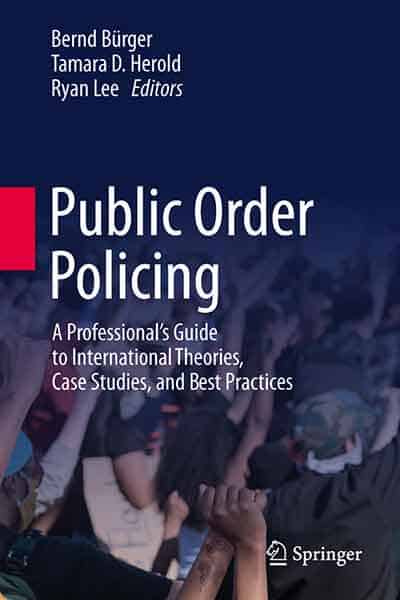
Public Order Policing — Book Cover

From Theory to Practice

This edited volume brings together practitioners, pracademics, and academics to review the complex and demanding task of policing public order. The diverse content, perspectives, and lessons learned presented here serve as a useful guide for all people working in the field of public order management, including police officials, policymakers, and researchers.

The anthology offers an international review of public order management experiences and effective practices. Practical examples, grounded in multi-disciplinary theory and science, offer a roadmap to improve police response and increase safety at assemblies in democratic countries worldwide.

If you are interested in publishing in an updated edition of our anthology, we welcome your contribution.

21Chapters
3Editors from
2 Countries
5Nations
Represented
24Contributing
Authors
Contribute to the Next Edition

The Editors

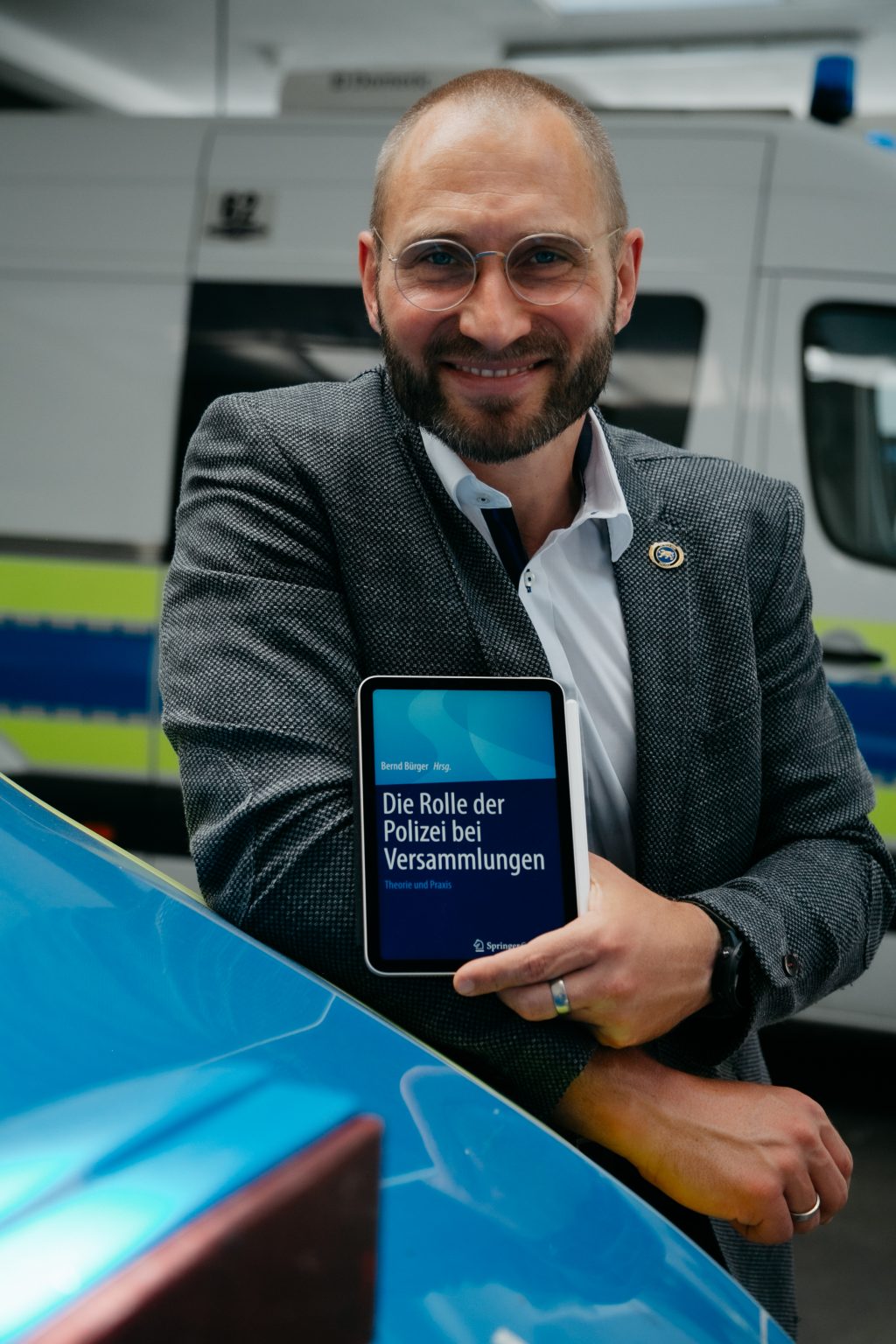
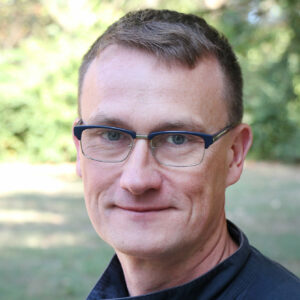
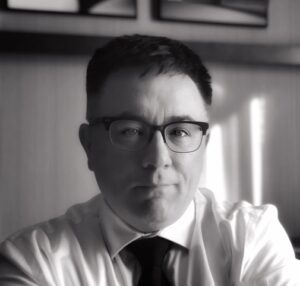
Col. Dr. Bernd Bürger

Col. Dr. Bernd Bürger

Bavarian State Police · Germany

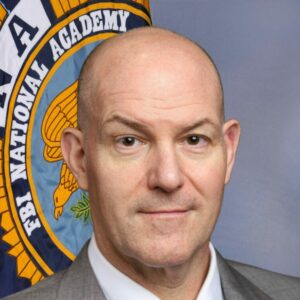
Colonel Dr. Bernd Bürger joined the Bavarian State Police in 1997. Over eleven years he served with the Dachau special public order unit, commanding it from 2015 to 2020 — including at the Hamburg G20 summit — and led camp operations at the G7 summits in Garmisch-Partenkirchen in 2015 and 2022. Since 2020 he heads the Department of Leadership and Operations at the Institute of Further Education of the Bavarian Police in Ainring. He leads the Public Order Policing module at the MSc in Policing of Canterbury Christ Church University in cooperation with the Netherlands Police Academy, and is a keynote speaker at conferences including IACP, NTOA, and CEPOL. He holds a PhD from the German Police University.

[email protected]
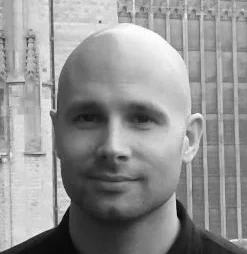
Dr. Tamara D. Herold

Dr. Tamara D. Herold

National Institute of Justice · USA

Dr. Tamara D. Herold is a Professor of Criminal Justice and Criminology at Texas State University and incoming Director of the TXST Center for Problem-Oriented Policing. She uses the crime science perspective to study crowd and neighborhood dynamics associated with violence and the criminological impact of place design and management. Her books include Preventing Crowd Violence, translated for use by national police academies worldwide, and Public Order Policing: A Professional's Guide to International Theories, Case Studies, and Best Practices.

[email protected]
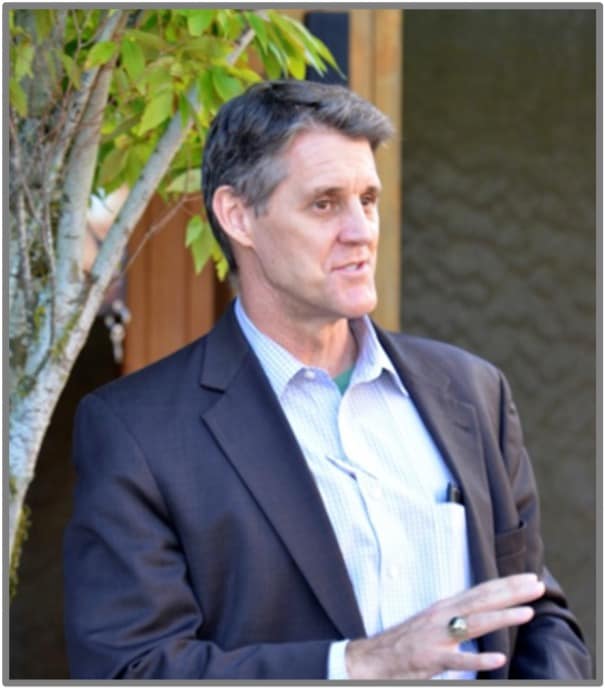
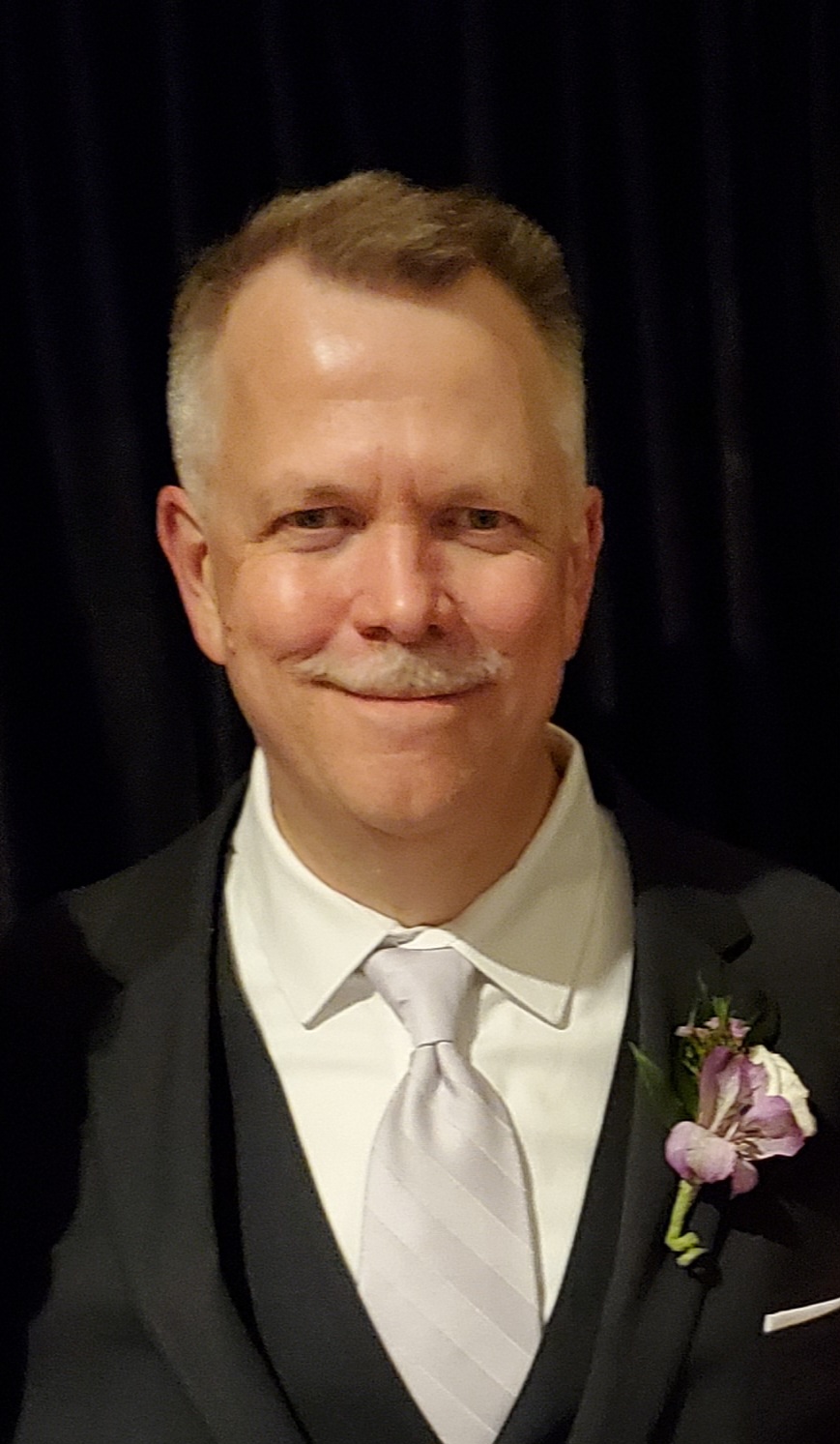
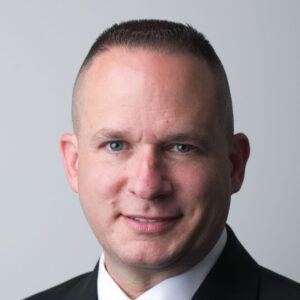
Chief (ret.) Ryan Lee

Chief (ret.) Ryan Lee

Portland Police Bureau · USA

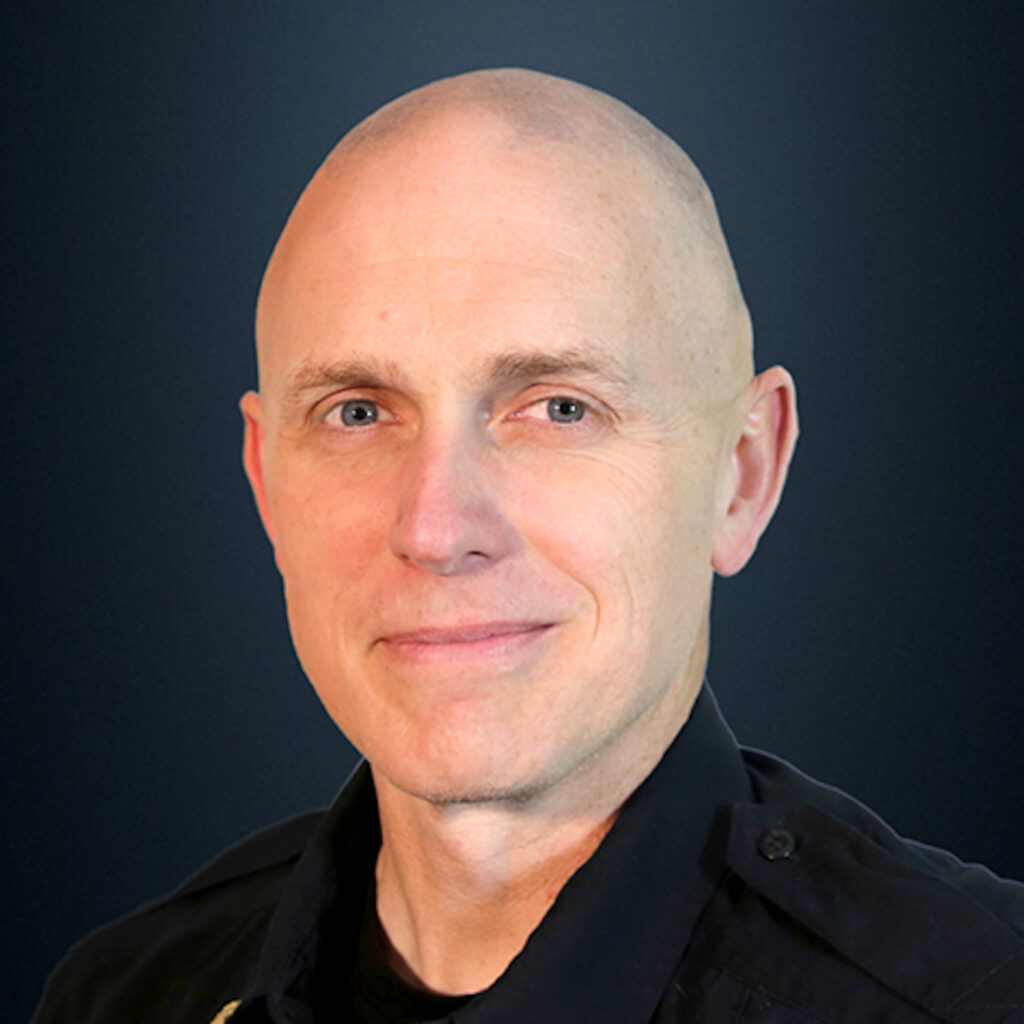
Chief Ryan Lee served over 22 years in the policing profession, including nearly 20 years with the Portland Police Bureau specializing in public order policing. He served as Operations Section Chief during the 2016 Election Riots and 2017 Inauguration Riots in Portland. He has been a subject matter expert for the National Institute of Justice, the International Association Chiefs of Police, and the Federal Law Enforcement Training Center. He holds a Master of Criminal Justice from Boston University.

[email protected]

Contributors

24 international experts from 5 nations contributing 21 chapters on public order policing.

Otto Adang

Otto Adang

Netherlands Police Academy

[email protected]
UB

Udo Behrendes

Senior Police Officer · Germany

[email protected]
MB

Michael Bornhausen

German Police

[email protected]
Loren (Renn) Cannon

Loren (Renn) Cannon

FBI · USA

[email protected]
Claire Clark

Claire Clark

Chief Superintendent · UK

[email protected]
Eli Cory

Eli Cory

Deputy Chief · USA

[email protected]
Peter Davidov

Peter Davidov

Lieutenant · NYPD · USA

[email protected]
Craig Dobson

Craig Dobson

Commander · USA

[email protected]
Spencer Fomby

Spencer Fomby

Captain · USA

[email protected]
Christian Ghirlanda

Christian Ghirlanda

Commissaire divisionnaire · France

[email protected]
Jens Grützpalk

Jens Grützpalk

Dr. · German Police University

[email protected]
Tom van Ham

Tom van Ham

Royal Marechaussee · Netherlands

[email protected]
Alan Hanson

Alan Hanson

Captain · USA

[email protected]
Stefan Jarolimek

Stefan Jarolimek

Dr. · University of Applied Sciences

[email protected]
Jaclyn M. Keane

Jaclyn M. Keane

Dr. · USA

[email protected]
Jason J. Kepp

Jason J. Kepp

Assistant Director · USA

[email protected]
Anthony J. Raganella

Anthony J. Raganella

Deputy Inspector · NYPD · USA

[email protected]
MR

Michiel Rovers

Royal Marechaussee · Netherlands

[email protected]
CS

Carsten Schenk

Director · German Police

[email protected]
CS

Chris Schattka

German Police

[email protected]
Werner Schiewek

Werner Schiewek

Pastor · Germany

[email protected]
MS

Martina Schreiber

Dr. · Netherlands

[email protected]
Gerd Thielmann

Gerd Thielmann

Brigadier · Germany

[email protected]
Jose M. Vega

Jose M. Vega

Sergeant · NYPD · USA

[email protected]

Chapter Abstracts

The following abstracts provide an overview of all 21 chapters. Click any chapter title to expand the full abstract.

Public Order Policing. From Theory to Practice
Col. Dr. Bernd Bürger

Dr. Bernd Bürger describes theories of crowd dynamics and the role of police during public assemblies. Historical crowd psychology theories, which are now outdated but still inform flawed police training and decision-making, are contrasted with recent theoretical developments. The most prominent theory, the Elaborated Social Identity Model (ESIM) is presented, along with current typologies of assemblies and participants. Conflicts inherent in police duties at public assemblies are examined before defining the concept of escalation and examining these processes within the context of policing assemblies. To move the discussion from theory to practice, concrete strategies to avoid escalation and illicit positive public perceptions while policing assemblies are described in detail. This chapter concludes with a discussion of the mindset needed to effectively execute these strategies and achieve a modern, democratic, and community-oriented approach to public order management.

Read full text
Preventing Crime at Assemblies
Dr. Tamara D. Herold
Col. Dr. Bernd Bürger

Drs. Tamara D. Herold and Bernd Bürger examine crowd dynamics from a crime prevention perspective. They describe how crowds create crime opportunities and present three theories – routine activity theory, rational choice theory, and situational crime prevention – that can explain crowd behaviors and help develop crime interventions. The RDFC international model and 4D tactic, two assembly-focused crime prevention and training frameworks, are offered to improve safety and police-crowd interactions. They conclude with recommendations that will help police take immediate steps to better prevent and respond to crowd-related crime.

Read full text
How Collective Violence Emerges and Escalates
Otto Adang
Otto Adang
MS
Martina Schreiber

Drs. Otto Adang and Martina Schreiber link theory to public order management practices. They offer an evidence-based model for understanding the initiation and escalation of collective violence developed from systematic observations of mass gatherings where violence occurred (or was anticipated). They describe associated strategic principles, used successfully in several countries, for policing mass events.

Read full text
Interpretive Regimes of Violence in Action. The “Welcome to Hell” Demonstration During the G20 Summit in Hamburg 2017
CS
Chris Schattka

Chris Schattka examines the origins of violence during the so-called “Welcome to Hell” demonstration, which took place during the 2017 G20 summit in Hamburg. Violence is explained by building upon evidence-based concepts, including mass, identity, and emotion. These concepts are each used to analyze unfolding events at demonstrations, but they vary in their inclusion and emphasis on reciprocal dynamics between police and crowd behaviors. Schattka argues that an “interpretative regime” supporting the use of violence developed prior to the Hamburg demonstration, among both police and demonstrators, and this perspective contributed to the outbreak of violence. Interpretive regimes supporting violence are grounded in shared experiences. They arise when the parties involved accuse each other intending to use violence, which justifies and increases the likelihood of their own violent behavior. During the “Welcome to Hell” demonstration, these interpretive regimes persisted until the day of the event and influenced how police and demonstrators interpreted the actions of each other during the demonstration.

Read full text
Almost Forgotten Experiential Knowledge of De-escalation
UB
Udo Behrendes
Col. Dr. Bernd Bürger

Senior officer Udo Behrendes and Dr. Bernd Bürger highlight the conclusions of experts in the mid-1980s. Experts found that the policing of assemblies did not consistently integrate past operational experience into current operational planning, thus those experiences were continually lost and needed to be acquired anew. This includes assessments of the psychological effects of police tactics on those assembled and the larger public. The authors argue that contemporary experts would discover similar findings. They offer examples of historic police approaches that eased tensions in assembly conflict situations and identify related de-escalation tactics and training supported by scientific evidence.

Read full text
The Role of Police in Assemblies: Ethical Implications, Imperatives, and Interventions
Werner Schiewek
Werner Schiewek

Pastor Werner Schiewek highlights the importance of assemblies for a thriving democracy. As a democratic virtue, assemblies should not be prevented, but, in fact, facilitated. However, assemblies are associated with individual, social, and moral risks for all participants, and Schiewek describes these risks. To help mitigate risk associated with assemblies, Schiewek analyzes the moral expectations of police, including internal and external expectations, and the tensions between them. Awareness of these challenges can help police organizations better prepare officers. Schiewek also offers suggestions for personal and organizational planning grounded in different ethical approaches and the four classical cardinal virtues.

Read full text
Differences in Policing Assemblies between the U. S. and Germany
Col. Dr. Bernd Bürger
Gerd Thielmann
Gerd Thielmann
Alan Hanson
Alan Hanson
Craig Dobson
Craig Dobson

The three chapters

  • Differences in U.S. and German Police Organizations with an Impact on the Policing of Public Assemblies
  • Police Organization and the Policing of Assemblies in Germany
  • Police Organization and the Policing of Assemblies in the United States

by Dr. Bernd Bürger, Brigadier Gerd Thielmann, Captain Alan Hanson and Commander Craig Dobson seek to show how differences in society, law, standards, and education influence the policing of public order and common policing approaches. The first chapter, “Differences in U.S. and German Police Organizations with an Impact on the Policing of Public Assemblies,” explains differences between Germany and the U.S. that are relevant to policing assemblies. Police institutions and regulations can be understood only if situated within a broader context (e.g., form of government, societal characteristics, and historical events), as contextual influences impact police structures and activities. The appendix offers a glossary to explain specific police terms and foster understanding of technical jargon used throughout this book.

In “Police Organization and the Policing of Assemblies in Germany” and the subsequent chapter, “…the United States”, the authors highlight aspects of German and U.S. police organizations and standards associated with policing assemblies or large-scale events. A fictitious case study is used to illustrate how an assembly might be policed. Both chapters provide a brief overview of cross-border police collaboration for assemblies and other gatherings.

Read full text
Protection of Citizens’ Rights, Public Safety & Police Legitimacy - The Legal Equilibrium for Public Order
Jaclyn M. Keane
Jaclyn M. Keane
Anthony J. Raganella

Dr. Jaclyn M. Keane and Deputy Inspector Anthony J. Raganella build upon previous chapters by focusing on legal issues associated with public order policing. They discuss the constitutional foundation of free speech and assemblies and related policing limitations and challenges. After considering the relationship between crowds and police, they use a London Metropolitan Police (Met) example to show how specific decisions (and possible alternatives) generated long-term negative effects on the Met’s relationship with their community. The authors conclude with a discussion of police legitimacy, specifically highlighting the concept of “policing with consent” and the importance of balancing the legal equilibrium.

Read full text
Public Order Policing in the UK
Claire Clark
Claire Clark

Chief Superintendent Claire Clark highlights the principles of public order policing in the United Kingdom and reviews relevant legislation and guidelines. She explains the system of public order public safety policing, focusing on the tasks of the overall strategic commander, referred to as Gold, and demonstrates the operationalization of public order policing concepts using several examples and case studies.

Read full text
Specialized Public Order Units: Integrating a Community Policing Mindset
Col. Dr. Bernd Bürger

Dr. Bernd Bürger shows how the Unterstützungskommandos (USK), full-time public order units specializing in evidence gathering and arrests during assemblies, have evolved over recent decades. Bürger describes events that accompanied and triggered these developments and shows how, after it became an organizational goal, community focused policing served as the foundation for operational tactics, as well as personnel selection, development, and training.

Read full text
Maintaining Public Order from a Military Police Perspective
MR
Michiel Rovers
Tom van Ham
Tom van Ham

Officer Michiel Rovers and Dr. Tom van Ham describe public order management from a Dutch military police perspective. They briefly reflect on collective violence theory and the role of the Royal Marechaussee (gendarmerie type military police of the Dutch Armed Forces) in maintaining public order in a civil environment. They discuss the units’ characteristics, their deployment, and challenges. The authors highlight the policies developed to handle public order events. Furthermore, they identify military units’ challenges in establishing public order in a hostile, post-conflict environment and underline the necessity of international cooperation – not only between military units, but between all units deployed at public order events. Using the Dutch experience, the authors seek to inspire further discussion and to encourage the use of common language to describe crowd-related dynamics.

Read full text
January 6th – a Challenge for Public Order Policing and Democracy
Eli Cory
Eli Cory

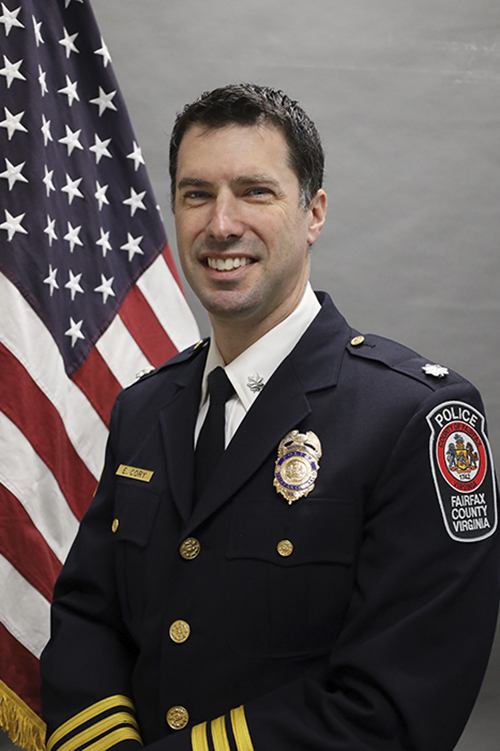
Deputy Chief Eli Cory provides insight into the events that unfolded on January 6th at the U.S. Capitol in Washington D.C. from the viewpoint of a Public Order Commander on the ground. Cory explains the state of law enforcement in the United States before this event, considering the social contexts, peculiarities regarding jurisdiction, training, and equipment developments. Cory describes January 6th from his point of view; how events unfolded, the decisions made, and emotional aspects of the operation. The author concludes with lessons learned regarding training, equipment, and communication.

Read full text
The ‘Yellow Vest Protests’. Challenge for Police and Democracy
Christian Ghirlanda
Christian Ghirlanda

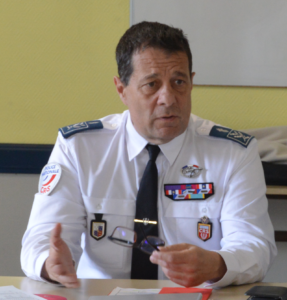
Commissaire divisionnaire Christian Ghirlanda describes the challenges posed by the Yellow Vest protests for both the police and for democracy itself and explains how various stakeholders in France have attempted to overcome these challenges. He analyzes the characteristics of this new form of protest. Ghirlanda concludes by emphasizing the importance of continuous development and further education of the police profession to successfully adapt to and manage this new type of protest in an evolving liberal democratic society.

Read full text
Public Order Policing 2.0. Addressing the Challenges of the Information Age
Chief (ret.) Ryan Lee

Chief (ret.) Ryan Lee argues that most public order policing practitioners focus on the immediacy of maintaining order within a physical space but fail to evaluate the role of legitimacy, narrative space, and the impacts of the information age. The author examines these issues, along with the evolving sophistication of criminal protesters and how they leverage communication. Lee concludes with strategies and tactics to help public order professionals navigate new and challenging protest dynamics and environments.

Read full text
Intelligence in Public Order Policing
Loren (Renn) Cannon
Loren (Renn) Cannon

FBI Special Agent in Charge Loren (Renn) Cannon summarizes key research and reviews the fundamentals of the intelligence cycle to provide police leaders with useful frameworks and tools. Cannon shows how officers can lawfully develop crucial intelligence and effectively incorporate this knowledge into all stages and aspects of public order policing operations. Through a case study and real-world illustrations of successful public order intelligence efforts, Cannon provides contextually based and tangible examples to help practitioners develop and integrate public order policing intelligence.

Read full text
The Importance of Police Public Relations in Assembly Situations
Jens Grützpalk
Jens Grützpalk
Stefan Jarolimek
Stefan Jarolimek

Drs. Jens Grutzpalk and Stefan Jarolimek explain that police do not operate in a vacuum, but function within a media public. This public is difficult to understand, consisting of confusing echo chambers, fake news, journalism, social media, and rapid attention economies. Police are obliged to simultaneously explain their own actions and reinforce the public’s sense of security through the media. This mix becomes a challenge for the police, especially in assembly situations, when there are real-time media disputes about situations and their interpretation. The authors advise police public relations, from a German perspective, on how to position themselves within this media situation.

Read full text
Mission Communication as an Integrative Overall Strategy in Protest 2.0
CSK
Carsten Schenk
MB
Michael Bornhausen

Director Carsten Schenk and Major Michael Bornhausen examine the importance of operational communication in assemblies using a case study of the operation at Dannenröder Forst, a forest area to be cleared for a highway expansion. They first explore emerging demands on police communication resulting from the use of social media in during protests. Subsequently, the importance of Tactical Communication in operations is highlighted through various theoretical approaches and practical examples. They present goals, applications, and methods of Tactical Communication. The authors conclude with challenges that arise in, what they refer to as, the context of “protest 2.0,” including effectively understanding and executing mission communication.

Read full text
Public Order Standards – Moving the Public Trust Needle Forward
Anthony J. Raganella
Jose M. Vega
Jose M. Vega
Peter Davidov
Peter Davidov

Deputy Inspector Anthony J. Raganella, Sergeant Jose M. Vega, and Lieutenant Peter Davidov emphasize the importance of established policing standards for public order tactics, equipment, and training. The existence of these standards, or lack thereof, has a profound impact upon police legitimacy and public trust in democratic societies. The authors explore how well-defined public order standards keep both citizens and officers safe and promote positive incident outcomes. Using examples and case studies, the authors demonstrate how public order standards influence law enforcement policy development and minimize risk to officer safety, as well as agency liability and credibility, thereby furthering police-public trust. They discuss why professionalization and specialization of public order policing matters, especially in countries such as the U.S., where standards do not currently exist.

Read full text
Building an Evidence-Based Training Curriculum for Public Order Policing: A Case Study
Jason J. Kepp
Jason J. Kepp

Assistant Director Jason J. Kepp notes that public order policing is a critical aspect of law enforcement, tasked with maintaining peace and safety during protests and other public events. To effectively execute their duties, police officers require specialized training that equips them with the necessary skills and knowledge. However, not all training programs are created equal, and evidence-based training is increasingly becoming the go-to approach for public order policing. Kepp shows why evidence-based training for public order policing helps improve officer safety and reduce the risk of injuries to officers and civilians. When officers are well-trained and equipped to handle public order situations, they are more likely to act professionally and appropriately, earning the respect and trust of the public. As the demands of public order policing continue to evolve, evidence-based training will remain a fundamental approach to ensure officers are equipped to meet these challenges.

Read full text
Public Order Policing: Use of Force
Spencer Fomby
Spencer Fomby

Captain Spencer Fomby states that public order policing is one of the most complex areas of modern policing and requires specialized training and expertise. When police intervene in a protest event, the focus is often on the use of force. While police in the other western countries have invested considerable resources to improving public order policing, American police agencies have long neglected this specialty. By summarizing historical trends and current challenges, Fomby provides an overview of the current use of force landscape in American public order policing. Case study and real-world examples are offered as guidance for police leaders to develop effective use of force capabilities that conform with best practices, legal restrictions, and model policies.

Read full text
Considerations for Personal Protective Equipment for Public Order Policing
Jason J. Kepp
Jason J. Kepp

Assistant Director Jason J. Kepp  shows the importance of protecting law enforcement officers when disorder occurs. A properly trained and protected officer will be better able to make critical decisions during intense situations. The author elaborates on the necessity of specific Personal Protective Equipment (PPE) for public order policing and discusses the importance of standards and training. The specifics and interdependencies of distinct PPE, including impact protection, gloves and boots, outer garments, and eye, hearing, and respiratory protection are discussed. Kepp concludes by emphasizing the role of law enforcement leaders, who must balance avoiding the perception of expecting disorder with being prepared to respond to it (by wearing PPE), while constantly assessing the need for personnel protection.

Read full text

Contribute to the Anthology

If you are interested in contributing to an updated edition of our anthology, please send an abstract of your idea and a brief CV substantiating your professional background to the address below. All contributions are peer-reviewed and the editorial team reserves the right not to publish submitted articles.

[email protected]